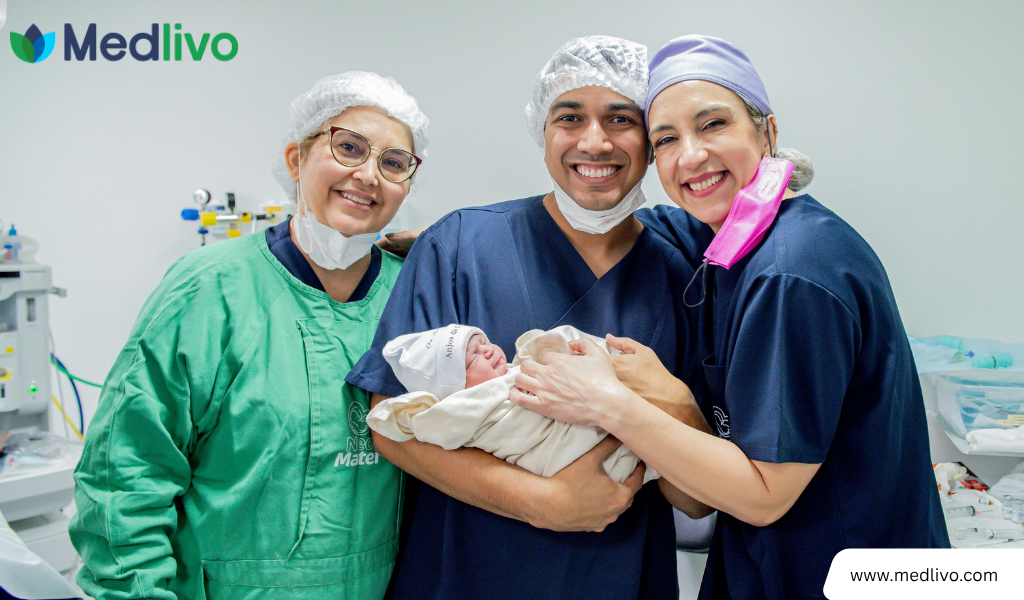
The American healthcare industry is changing dramatically, with many aspects of it becoming more dynamic than ever before. Labor and Delivery Nurse staffing is one such aspect that is being transformed.
Hospitals have to meet their patients' rising demands, even as they face shortages in their staff, which creates new problems for them. The key trends affecting the field of Labor and Delivery Nurse staffing must be comprehended by anyone interested in the topic.
Why Labor and Delivery Nurse Staffing Matters More Than Ever
Labor and delivery units are among the most sensitive and high-risk areas in any hospital. The presence of skilled nurses directly impacts the safety and well-being of both mothers and newborns.
Effective Labor and Delivery Nurse Staffing plays a crucial role in the following:
- Ensuring safe childbirth experiences
- Reducing complications and medical errors
- Improving patient satisfaction
- Supporting hospital efficiency
Because of this, healthcare organizations are placing more focus than ever on building strong and reliable nursing teams.
Rising Demand for Labor and Delivery Nurses
There has been an increase in the demand for Labor and Delivery Nurses who have experience in their field of practice. There are several factors behind this increasing demand, which includes demography, better understanding of maternal health care needs, and so forth.
There has not been a tendency among hospitals to employ general nurses for the purpose. They are rather employing nurses through delivery nurse staffing strategies.
Ongoing Nursing Shortages Across the U.S.
Another issue that affects Labor Nurse Staffing is the continuing problem of nursing shortages. Retirements and job dissatisfaction among nurses who are burned out from the rigorous work have exacerbated the problem.
There is an imbalance in supply versus demand, which means there is insufficient personnel to fill positions where labor-intensive nursing staffing is required.
Shift Toward Flexible Staffing Models
In order to overcome any kind of difficulties, hospitals have begun to adopt flexible staffing strategies.
These include:
· Temporary nurse assignments
· Contract-based nurse jobs
· Nurse per diem positions
This strategy enables hospitals to easily adjust their staffing as per patient requirements without compromising on the quality of care delivered. It is also beneficial for nurses, who get the benefit of diversity in their career path.
Growing Role of Staffing Agencies
Staffing agencies have become an essential part of modern healthcare hiring. They play a key role in improving the efficiency of Labor and Delivery Nurse Staffing.
A strong staffing partner helps by:
- Quickly connecting hospitals with qualified nurses
- Managing credentialing and compliance processes
- Reducing recruitment time and administrative burden
For nurses, working with an agency can open access to a wider range of job opportunities, including flexible and travel roles.
Increased Focus on Nurse Retention
Recruiting nurses is only part of the challenge, retaining them is equally important. Healthcare facilities are now focusing more on improving the work environment for Labor and Delivery Nurses.
Key retention strategies include the following:
- Offering flexible work schedules
- Providing mental health and wellness support
- Improving compensation and benefits
These efforts help reduce burnout and ensure long-term workforce stability.
Technology Transforming Staffing Strategies
Technology is playing a major role in reshaping Labor Nurse Staffing. Hospitals are now using advanced tools to manage their workforce more effectively.
Modern staffing systems help with:
- Real-time scheduling adjustments
- Predicting staffing needs based on patient volume
- Improving communication across teams
These innovations allow healthcare providers to make faster and more informed decisions, ensuring better patient care.
Rising Demand in Rural and Underserved Areas
Rural healthcare facilities often face even greater challenges when it comes to staffing. Limited resources and fewer available professionals make Labor and Delivery Nurse Staffing more difficult in these regions.
To address this issue, many hospitals are offering incentives such as the following:
- Higher pay packages
- Housing or relocation support
- Flexible contract opportunities
Travel nurses have become a key solution in filling staffing gaps in these underserved areas.
Emphasis on Specialized Skills and Training
Labor and delivery nursing requires a unique skill set. Healthcare providers are increasingly prioritizing candidates with specialized training and hands-on experience.
Important areas of expertise include:
- Maternal and prenatal care
- Emergency response during childbirth
- Neonatal care and monitoring
As the demand for skilled professionals grows, nurses who invest in continuous learning will have a strong advantage.
A More Competitive Job Market
The current job market for nurses has become highly competitive—in a good way for job seekers. Demand is exceeding supply, giving nurses more control over their careers.
This shift has led to:
- Higher salaries and better benefits
- Increased flexibility in job roles
- More opportunities across different locations
For employers, this means they must offer attractive packages to secure top talent in Delivery Nurse Staffing.
What These Trends Mean for the Future
The future direction of Labor and Delivery Nurse Staffing is expected to result from a blend of various factors such as the need to cope with existing challenges, innovation, and patient demands.
On one hand, health institutions will continue to depend on dynamic staffing policies and cutting-edge technology to cope with demand. On the other hand, nurses will enjoy more job satisfaction and mobility options.
Conclusion
The landscape of
Labor and Delivery Nurse Staffing in the United States is constantly evolving. Trends such as staffing challenges and technology advancements are influencing how health care organizations function.
From a Labor and Delivery Nurse’s perspective, this trend presents great possibilities for personal development and career growth. For health care organizations, it becomes necessary to adapt to these changes in order to ensure quality services in maternal care provision.
Being up-to-date with these issues is the cornerstone of success in today’s health care landscape.
FAQs
1. Why is Labor and Delivery Nurse Staffing important?
It ensures safe and effective care for mothers and newborns, improving overall patient outcomes and hospital performance.
2. What is causing the demand for Labor and Delivery Nurses?
The demand is driven by nursing shortages, increasing patient needs, and a greater focus on maternal healthcare.
3. Are flexible staffing options available in this field?
Yes, options like travel nursing, contract roles, and per diem positions are widely available.
4. How do staffing agencies help hospitals?
They provide quick access to qualified nurses, handle compliance, and reduce hiring time.
5. What skills are essential for Labor and Delivery Nurses?
Key skills include maternal care expertise, emergency response, communication, and adaptability in high-pressure environments.