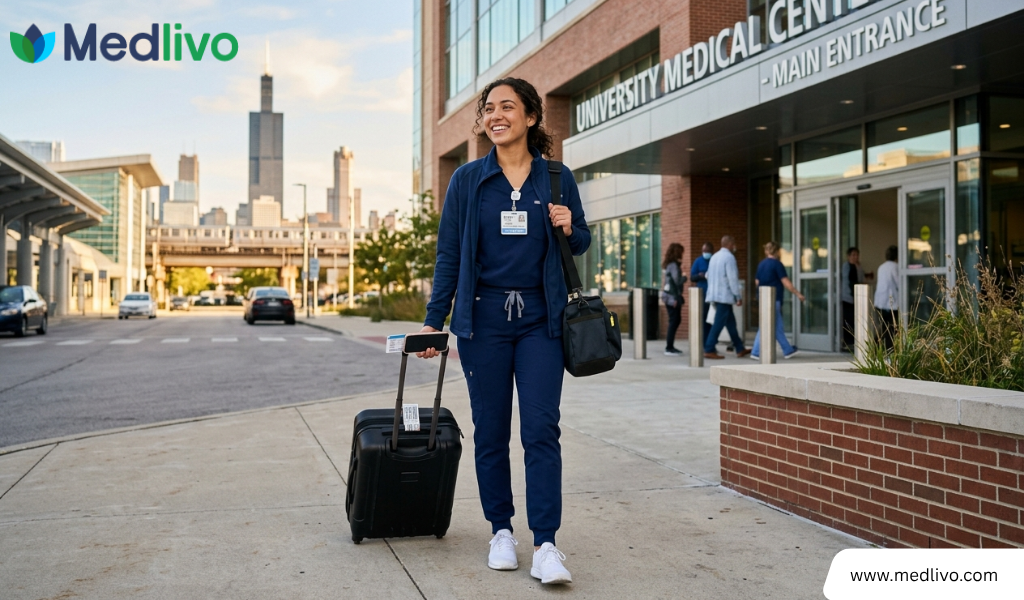
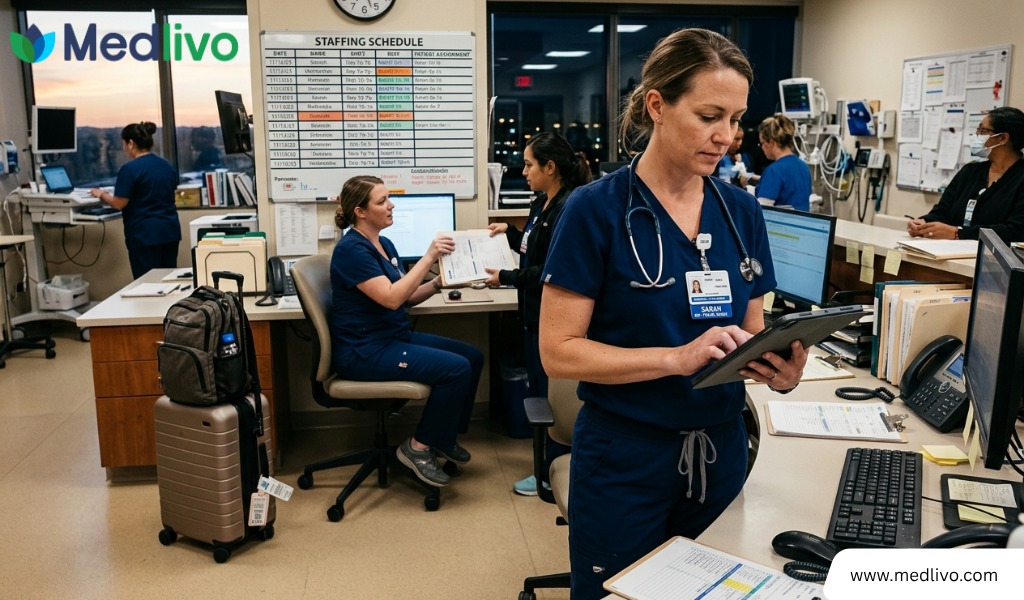
Everything You Need to Know Before Starting Your First Travel Nursing Assignment
Travel nursing continues to be one of the fastest-growing career paths in healthcare, offering flexibility, competitive pay, and the opportunity to explore new places while making a difference in patient care. If you're considering your first travel nursing assignment in 2026, you're entering an exciting chapter of your nursing career.
For many registered nurses, the idea of working in different hospitals, earning higher wages, and experiencing new cities sounds appealing. However, first-time travel nurses often have questions about licensing, housing, contracts, benefits, and what to expect on assignment.
This comprehensive guide from Medlivo covers everything you need to know to confidently begin your journey as a
travel nurse in 2026.
What Is a Travel Nurse?
A travel nurse is a licensed healthcare professional who accepts temporary nursing assignments in hospitals, clinics, long-term care facilities, and healthcare systems experiencing staffing shortages.
Most travel nursing contracts last between 8 and 13 weeks, although some assignments may be shorter or longer depending on facility needs.
Travel nurses are commonly hired in specialties such as:
- Emergency Room (ER)
- Intensive Care Unit (ICU)
- Medical-Surgical Nursing
- Labor and Delivery
- Telemetry
- Operating Room (OR)
- Pediatric Nursing
- Behavioral Health
- Oncology
Healthcare facilities across the United States rely on travel nurses to maintain quality patient care during staffing gaps, seasonal demand, or special projects.
Why Travel Nursing Is Growing in 2026
The healthcare industry continues to face workforce shortages, increasing patient populations, and evolving care demands. As a result, travel nursing opportunities remain strong across the country.
Some of the biggest reasons nurses are choosing travel assignments include:
Higher Earning Potential
Travel nurses often earn competitive compensation packages that may include:
- Weekly pay
- Housing stipends
- Travel reimbursements
- Completion bonuses
- Referral incentives
Career Growth
Working in different healthcare environments allows nurses to gain valuable experience, learn new clinical skills, and strengthen their resumes.
Flexibility
Travel nursing gives professionals greater control over where they work and when they take assignments.
Adventure and Exploration
Many nurses enjoy the opportunity to live in different cities and experience new communities while advancing their careers.
Requirements to Become a Travel Nurse
Before applying for travel nursing jobs, make sure you meet the basic qualifications.
Active Nursing License
You must hold an active Registered Nurse (RN) license.
Many nurses benefit from obtaining a Nurse Licensure Compact (NLC) license, which allows them to work in multiple participating states without obtaining separate licenses.
Clinical Experience
Most healthcare facilities prefer candidates with at least one to two years of recent bedside experience in their specialty.
The stronger your clinical background, the more assignment opportunities you'll qualify for.
Certifications
Depending on your specialty, you may need certifications such as:
- BLS (Basic Life Support)
- ACLS (Advanced Cardiovascular Life Support)
- PALS (Pediatric Advanced Life Support)
- TNCC (Trauma Nursing Core Course)
- Specialty-specific certifications
Updated Documentation
Keep the following documents current:
- Resume
- Nursing license
- Immunization records
- Skills checklists
- References
- Certifications
Having these documents ready can speed up the hiring process.
How to Choose Your First Travel Nursing Assignment
Not every assignment is the right fit for a first-time traveler.
Consider the following factors before signing a contract.
Location
Think about your personal goals.
Do you want to:
- Explore a major city?
- Stay close to family?
- Experience a coastal region?
- Work in a rural healthcare setting?
Research the cost of living, climate, transportation, and local amenities before accepting an assignment.
Facility Reputation
Read reviews, ask questions, and speak with recruiters about facility culture and staffing expectations.
A supportive workplace can make your first assignment significantly more successful.
Shift Requirements
Review the contract carefully.
Confirm details such as:
- Shift length
- Overtime policies
- Weekend requirements
- Floating expectations
- On-call responsibilities
Compensation Package
Compare the complete package, not just the hourly rate.
Look at:
- Housing allowances
- Travel reimbursement
- Insurance benefits
- Bonuses
- Retirement options
Housing Tips for First-Time Travel Nurses
One of the biggest concerns for new travel nurses is housing.
Many staffing agencies offer either:
Agency-Provided Housing
The agency arranges accommodations for you.
Benefits include:
- Convenience
- Furnished housing
- Utility setup assistance
Housing Stipend
You receive a housing allowance and arrange accommodations yourself.
Many experienced travel nurses prefer this option because it offers greater flexibility and potential savings.
Before moving, confirm:
- Lease terms
- Parking availability
- Commute times
- Safety of the neighborhood
- Internet access
Packing Essentials for Your First Assignment
Travel nursing often means adapting quickly to new environments.
Create a checklist that includes:
Professional Items
- Scrubs
- Comfortable nursing shoes
- Stethoscope
- ID badges
- Clinical reference materials
Personal Essentials
- Important documents
- Medications
- Electronics and chargers
- Weather-appropriate clothing
Comfort Items
Bringing familiar items from home can help reduce stress and make temporary housing feel more comfortable.
Common Challenges First-Time Travel Nurses Face
While travel nursing offers many benefits, it's important to prepare for potential challenges.
Learning New Systems
Every facility may use different:
- Electronic health records (EHR)
- Documentation processes
- Policies and procedures
Remain flexible and ask questions when needed.
Building New Relationships
You'll frequently work with unfamiliar teams.
Strong communication and professionalism help establish trust quickly.
Adapting to Change
Travel nurses often need to adjust to new workflows, patient populations, and unit cultures.
Adaptability is one of the most valuable skills in travel nursing.
Tips for Success During Your First Assignment
Arrive Prepared
Review facility information and assignment expectations before your start date.
Stay Organized
Keep copies of:
- Contracts
- Certifications
- Licenses
- Expense records
Communicate with Your Recruiter
Your recruiter can help resolve concerns regarding scheduling, housing, payroll, and workplace issues.
Network with Other Healthcare Professionals
Building professional relationships can lead to future opportunities and valuable career connections.
Maintain Professionalism
Positive performance evaluations can increase your chances of receiving contract extensions and preferred assignments.
Travel Nursing Trends to Watch in 2026
The travel nursing landscape continues to evolve.
Key trends include:
Increased Demand for Specialized Nurses
Healthcare facilities continue to seek experienced nurses in critical care, emergency medicine, and specialty departments.
Flexible Contract Options
More facilities are offering customized contract lengths to attract qualified candidates.
Technology Integration
Healthcare organizations are expanding telehealth services and advanced clinical technologies, creating new opportunities for skilled nurses.
Competitive Compensation Packages
Facilities continue to offer attractive benefits to address staffing shortages and retain experienced professionals.
How Medlivo Supports Travel Nurses
Finding the right travel nursing job can be overwhelming, especially for first-time travelers.
Medlivo helps healthcare professionals connect with opportunities that match their experience, goals, and preferred locations.
Whether you're looking for your first assignment or planning your next career move, Medlivo provides access to healthcare jobs across the United States while helping you navigate the application process with confidence.
Final Thoughts
Starting your first travel nursing assignment in 2026 can be one of the most rewarding decisions of your nursing career. Travel nursing offers the chance to expand your clinical skills, increase your earning potential, and experience new places while continuing to provide exceptional patient care.
With proper planning, realistic expectations, and the right support system, you'll be well-positioned to thrive in your first travel nursing role.
Take time to research opportunities, prepare your documentation, and choose assignments that align with your personal and professional goals. Your next adventure in healthcare could be just one application away.
FAQs
1. What do I need to become a travel nurse in 2026?
To become a travel nurse, you generally need an active RN license, at least one year of clinical experience, required certifications, and up-to-date healthcare documentation.
2. How much do first-time travel nurses make?
Travel nurse pay varies by specialty, location, and facility. Compensation packages often include weekly pay, housing stipends, travel reimbursement, and bonuses.
3. Can new nurses become travel nurses?
Most healthcare facilities prefer candidates with one to two years of recent nursing experience before accepting travel assignments.
4. Is housing provided for travel nurses?
Many travel nursing agencies offer either agency-arranged housing or a housing stipend that allows nurses to secure their own accommodations.
5. What are the best states for travel nursing jobs in 2026?
Popular travel nursing destinations often include California, Texas, Florida, North Carolina, Arizona, and Washington due to high demand and diverse healthcare opportunities.